
Otsego Housing Task Force
Impact Story
A safe, comfortable home you can afford has long been seen as the foundation for building your potential, but anyone who has tried to purchase a home in the last few years has felt the growing gap between what you need and what you can afford. As the only county in northeastern Michigan that has witnessed population growth over the last five years, Otsego county is not immune to this issue; average home prices in Otsego county have increased 53%
– from $169,554 to $260,262 – since 2020.
After seeing local stakeholders working separately to address this issue, the Otsego Community Foundation (OCF) convened a roundtable to bring them together and discuss the challenges and potential solutions. This group of trusted volunteer partners, which included developers, real
estate and human service professionals, architects, planning and zoning board members, and others, soon formalized
into the Otsego County Housing Task Force.
The task force has three main goals:
Educating community members and stakeholders on the need for attainable housing.
Advocating for all types of housing in Otsego county and positive changes to zoning ordinances and master plans.
Providing support to streamline the process for building affordable housing in the area.
Once the task force was assembled, OCF provided a $5,000 seed grant to help build awareness of their efforts and has since awarded them a multi-year grant of over $50,000. Having had recent success with the Way Forward campaign, a fundraising effort to enhance their grantmaking abilities, OCF was looking for high-impact partners to invest in, and they saw the task force had the potential to make a difference in the community.
The partnership with OCF has been crucial for the task force; in addition to the multi-year grant commitment, it allows them to utilize the professional back-office services of the OCF – including the fiscal sponsorship which allows the task force to apply for grants and accept charitable donations – and focus on making progress on their work.
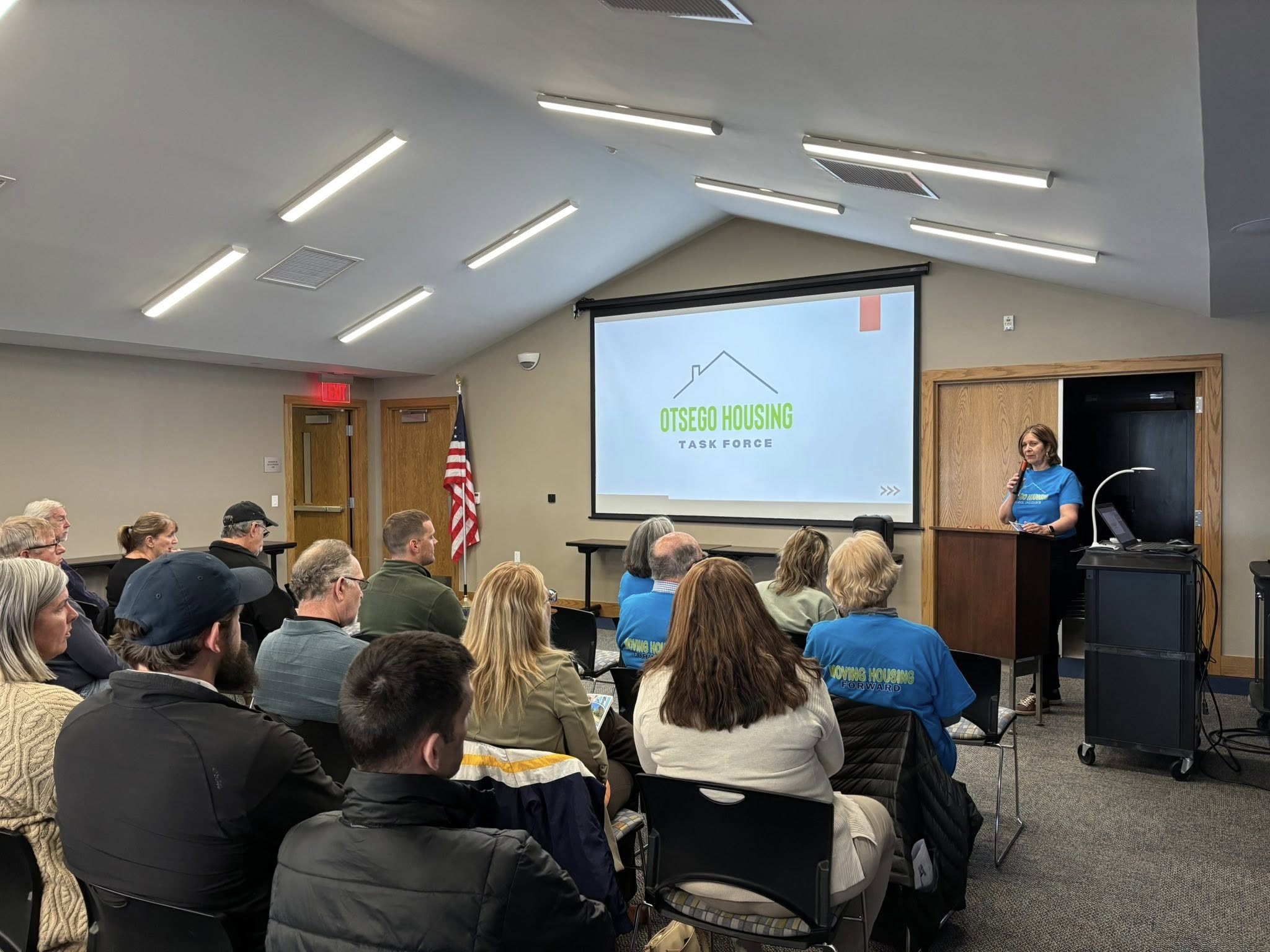
According to Pieternel Feeheley, Coordinator for the Otsego County Housing Task Force, they started that work last year by conducting a community survey that received 1,000 responses and emphasized the scope of the issue: “We need rentals, we need big houses, small houses, we need all kinds,” she says.
“It was eye-opening,” says Matt Nahan, a member of the task force and Executive Director of the Relentless Care Foundation, “to see not just where the needs were geographically but economically.”
According to Dana Bensinger, Executive Director of the OCF, this housing shortage doesn’t just affect homebuyers, “it impacts people of all different backgrounds in our community. And it impacts the ability to attract
local talent.”
“We have businesses here who have to close their doors at certain times because they can’t find the workers,” Pieternal says, emphasizing the impact on the entire community.
“We’re a hospitality community,” Dana says. “So in order for us to have servers at restaurants, people to work at golf courses, everyone needs a place to live, right?… And if people don’t have a place to live, that’s just going to exacerbate additional challenges.”
According to Pieternal, one major problem comes from the many bottlenecks between housing types. “Somebody who has a half a million dollars or access to it can build their own home or somebody who can afford $2,000 a month in rent can rent,” she says, “but the bottleneck occurs when there’s no movement.”
“We have a lot of empty nesters that would like to move to a condo or downsize into a little ranch house but they can’t because there are no homes available,” she says. “If that bottleneck wasn’t there, they could move into a smaller home and then their bigger house that they have lived in for 40 years could be available for a family.”
Issues like zoning restrictions and construction costs complicate the situation further, but Pieternal says the task force is investigating a variety of solutions for affordable housing, including efforts that have made a difference in nearby communities. “We focus on advocacy and on helping bridge gaps between zoning, builders, developers, and financiers to overcome hurdles,” she says. “We want to build working relationships with these folks and we want it to be a success because, if it is, then the city and the county can come out of this as a winner. This is good for everybody.”
“What’s great about the task force,” Matt says, “is that we have a strong level of representation, including people with experience in philanthropy, zoning, financial institutions, and working with developers,” which makes it easier to find creative solutions. In doing the groundwork to prepare a lot for an affordable development, Pieternal learned installing the infrastructure alone would cost $6 million, which would significantly increase the ultimate prices for any future homes. The city manager, however, sits on the task force and is helping them explore alternative options to pay for it and keep prices down for any eventual homes built on the lot.
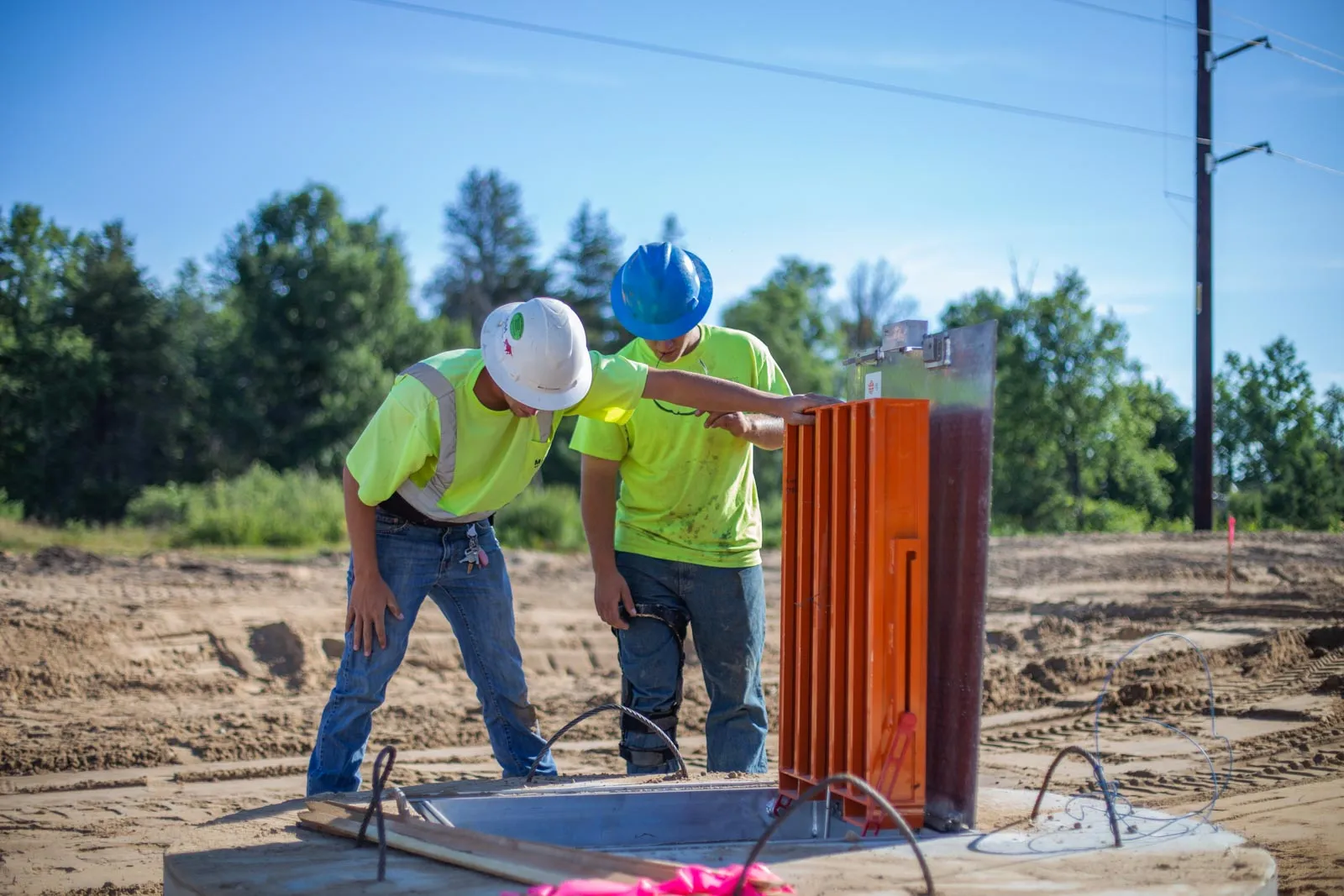
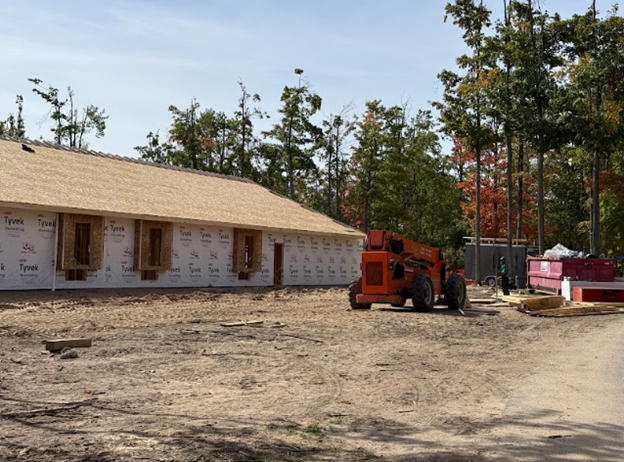
“We’re only a year in,” she says, but conversations like this make her excited about the potential for change, because the interest is there. “There are developers interested and they are coming to this area. They know it’s growing. They know it’s booming. They know it would be a good investment… Some of these projects might only be two homes, or a duplex on a city lot, and some of them are more than 100 homes,” but each of these developments can make a difference.
As the task force forges ahead, she encourages everyone to learn more about the challenges and keep an open mind so that the community can be on the same page as they work to make improvements.
“It’s a complicated issue,” she says, “and the only way that this moves forward is if we bring the whole community with us.”